Turning Your Tax Refund Into a Down Payment: Smart Strategy or Missed Opportunity?
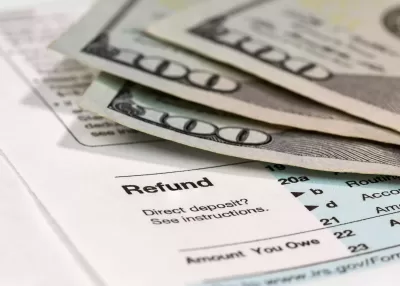 Spring brings two things: home listings and tax refunds. For buyers who have been waiting for the right moment, that extra cash can feel like a green light to finally move forward. The real question isn’t whether you should use your refund. It’s how to use it in a way that actually strengthens your position.
With the right approach, your refund can do more than just pad your savings. It can become a strategic asset in your homebuying plan.
How a Tax Refund Can Move You Closer to Buying
In a competitive spring market, timing and preparedness matter. A tax refund can help bridge the gap between where you are now and what you need to confidently enter the market.
Applying your refund toward your purchase can increase your upfront investment, which may reduce how much you need to borrow and improve your monthly payment outlook. It can also enhance your loan profile by improving your loan-to-value (LTV) ratio, something lenders pay close attention to when evaluating risk. In certain scenarios, putting more money down may even reduce or eliminate the need for private mortgage insurance (PMI).
For many buyers, this is the difference between waiting another year and being ready to act now.
Rethinking Where the Money Goes
It’s natural to assume your refund should go straight toward the down payment, but that’s only one option.
Closing costs are a significant part of any home purchase and often catch buyers off guard. These expenses (typically ranging from 2% to 5% of the purchase price) include lender fees, title work, and prepaid items like taxes and insurance. Using your refund here can ease the immediate cash burden at closing and create more breathing room in your overall budget.
Depending on your situation, prioritizing flexibility over a slightly larger down payment may be the more practical move.
Don’t Overextend Yourself
One of the most common mistakes buyers make is putting every available dollar into the transaction. While it may feel like the fastest path to ownership, it can leave you exposed once you have the keys.
Owning a home comes with ongoing costs that don’t stop at closing. Repairs, maintenance, and unexpected issues are part of the equation, and having reserves in place can make a major difference in how comfortably you transition into homeownership.
Before committing your full refund, take a step back and assess your overall financial picture. Consider whether you’ll still have an emergency cushion, whether your post-closing cash position is strong enough, and whether there are immediate expenses you’ll need to handle after move-in. Buyers who maintain reserves are often viewed more favorably during underwriting as well, since it signals financial stability.
What Lenders Expect to See
From a lending perspective, tax refunds are generally acceptable funds for both down payments and closing costs. The key requirement is documentation.
You should be prepared to show your filed tax return, confirmation that the refund was deposited, and account statements reflecting that the funds are available. Keeping these records organized helps ensure a smoother approval process and avoids unnecessary delays.
Partnering with a knowledgeable lending team can simplify this step and keep your timeline on track.
When It Makes Sense—and When It Doesn’t
Using your refund can be a smart move if you’re already financially positioned to buy and just need an extra push to meet your goals. It’s especially useful for reaching minimum down payment thresholds or improving your loan structure without draining your primary savings.
However, if your financial foundation still needs work—such as building emergency savings or stabilizing your monthly budget—it may be more beneficial to hold onto that refund and strengthen your position before entering the market.
Taking a More Strategic Approach This Spring
 Every buyer’s situation is different, which means there’s no universal answer. The goal is to make a decision that supports both your immediate purchase and your long-term financial health.
At First Union Home Finance, we help buyers think beyond the transaction itself. By looking at the full financial picture from upfront costs to long-term affordability, we help you create a strategy that makes sense for where you are now and where you want to go.
Ready to Put Your Plan Into Action?
If your tax refund has you thinking about buying a home, now is a great time to explore your options. Connect with First Union Home Finance to get pre-approved and build a personalized strategy that positions you for success in today’s spring market.